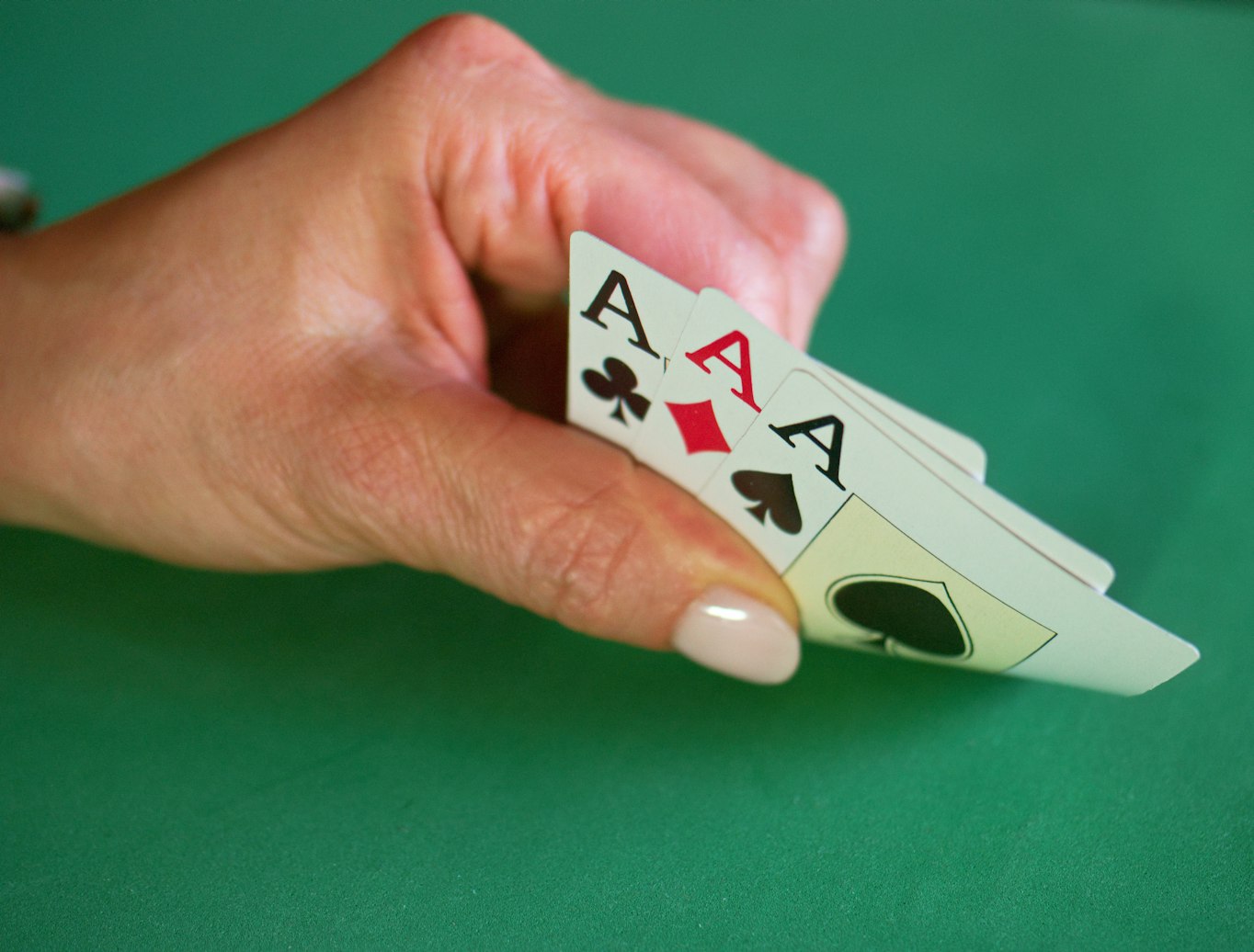
Casino gaming inherently involves risk, which can be defined as the potential for loss or the chance of an unfavorable outcome. This uncertainty is a key element that attracts players to various games, from slot machines to poker tables. The thrill associated with the possibility of winning big often overshadows the risks involved. In fact, many players search for the best bitcoin casino to enhance their experience, believing it will somehow mitigate their risk and maximize their enjoyment, leading individuals to engage in gaming activities with varied motivations.
Understanding the psychology behind risk in casino gaming reveals that many players seek a balance between excitement and potential reward. Factors such as the allure of jackpot prizes and the social aspects of gaming environments contribute to the perception of risk as a manageable element of the experience. Players often rationalize the risks, believing that their knowledge or strategies can improve their chances of winning.
Cognitive biases play a significant role in how players perceive and react to risk in casino gaming. For instance, the gambler’s fallacy—the belief that past outcomes influence future results—can lead players to make irrational decisions. This bias often manifests in choosing a particular game or strategy based on recent wins or losses, rather than an understanding of probability.
Another prevalent bias is the illusion of control, where players believe they can influence outcomes that are, in fact, random. This psychological phenomenon encourages risk-taking behaviors, as players become more willing to engage with games under the misguided notion that they can enhance their chances of success. Such biases highlight the complexities of decision-making in gambling contexts.
The emotional landscape of casino gaming significantly influences how players perceive and engage with risk. Winning can evoke feelings of exhilaration and euphoria, reinforcing the desire to continue playing despite potential losses. Conversely, losing can lead to frustration, disappointment, or even desperation, motivating players to chase their losses—a behavior known as “loss chasing.”
Emotional responses are not only crucial during gameplay but also shape players’ long-term relationships with gambling. The highs of winning can create a strong emotional attachment, while the lows of losing might trigger a complex psychological struggle. Understanding these emotional dynamics is vital for recognizing how they affect risk perception and decision-making in casino environments.
Players often develop personal strategies to manage the inherent risks associated with casino gaming. These strategies can include setting budgets, choosing games with favorable odds, or employing self-imposed limits on playing time. Such approaches aim to provide a sense of control amid the randomness of gaming outcomes and can help mitigate the psychological impacts of losses.
Moreover, many players find that educating themselves about game mechanics and probabilities enhances their gaming experience. Knowledge can buffer against the impulsive decisions driven by cognitive biases or emotional responses, leading to more calculated risk-taking. Ultimately, finding a personal balance between entertainment and risk management is essential for a sustainable gaming experience.

At our website, we understand the complexities of casino gaming and the mental aspects that accompany risk and reward. Our goal is to provide resources and information to help players make informed decisions. We prioritize creating a safe and secure environment for gaming enthusiasts, ensuring your experiences are both enjoyable and responsible.
By exploring the psychology of risk and offering valuable insights, we hope to enhance your understanding of the gaming landscape. Our commitment to your safety and well-being is paramount, allowing you to engage with casino gaming in a balanced and informed manner. Reach out to us for any assistance you may need on your gaming journey.