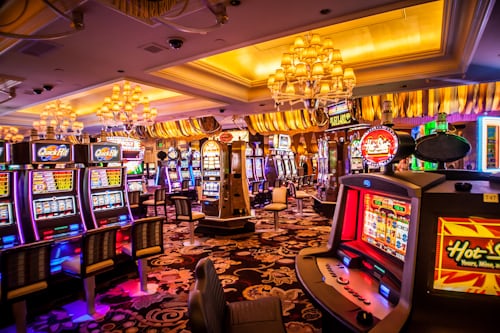
One of the most compelling psychological factors driving players to casinos is the thrill of uncertainty. The element of chance curates an adrenaline rush that many find irresistible. Each spin of the slot machine or turn of the cards brings with it the potential for excitement and financial gain. This unpredictability can be exhilarating, and many players search for experiences like casinos not on gamstop uk while seeking out these moments repeatedly.
This sensation is rooted in the brain’s reward system. When a player wins, their brain releases dopamine—a neurotransmitter connected to pleasure and reward. This creates a cycle of seeking more; the more a player experiences this rush, the more they are likely to return to the casino, driven by the desire to replicate that euphoric feeling.
Casinos are social hubs where individuals gather not just to gamble, but to connect. The social interaction found within these environments plays a vital role in driving players to return. Being surrounded by fellow gamblers fosters a sense of camaraderie and belonging, creating an inviting atmosphere that keeps players engaged.
Beyond just companionship, social dynamics can influence betting behavior. Players often observe and mimic each other’s actions, creating a shared experience that enhances enjoyment. This social context can often overshadow the financial aspects of gambling, highlighting the importance of community in the world of casinos.
The dream of hitting it big is a powerful motivator for many casino-goers. The possibility of winning large sums of money lures players into a state of hopeful anticipation. The marketing strategies employed by casinos often exaggerate the stories of winners, making the prospect of winning feel attainable for anyone.
This allure can lead to what is known as “loss chasing,” where individuals continue to gamble in hopes of recovering lost money or achieving the same success they have witnessed in others. This psychological phenomenon can create an addictive cycle where players feel compelled to keep trying their luck, despite the risks involved.
Another driving factor behind casino gambling is the need for escape. Many people visit casinos to break away from the stressors of day-to-day life. The bright lights, sounds, and overall atmosphere create an immersive experience that can transport players into a different world, allowing them to forget their worries for a while.
This form of escapism can be particularly appealing to those experiencing challenging situations, making the casino a sought-after refuge. However, this psychological escape can have consequences, as individuals may prioritize time and money spent on gambling over other important aspects of their lives.
As technology advances, so does the casino experience, with online platforms providing a new avenue for players. These digital environments replicate the allure of traditional casinos while offering unique benefits such as convenience and anonymity. The design of these online games often employs the same psychological principles found in physical casinos to engage players and keep them coming back.
Websites that facilitate online gambling capitalize on the same excitement, community aspects, and feeling of potential reward that physical casinos offer. Understanding the psychological triggers behind these platforms can help players navigate their choices, ensuring that they maintain a healthy relationship with gambling.